Decks: Do you prefer Wood or composite?

Why People Prefer Composite Decks

Composite decks have become a popular choice for homeowners looking to enhance their outdoor spaces. There are several reasons why people gravitate towards this option. First and foremost, composite decking is known for its durability. Unlike traditional wood, composite materials are resistant to rot, splinters, and insect damage, which means homeowners can enjoy their decks without the constant worry of maintenance and replacement.

Another significant advantage is the low maintenance required. Composite decks do not need to be sanded, stained, or painted, which saves both time and money in the long run. A simple wash with soap and water is usually enough to keep them looking great. Additionally, many people appreciate the eco-friendly aspect of composite materials, as they are made from recycled wood fibers and plastic, making them a sustainable choice for environmentally-conscious buyers.

Composite decking also offers an array of design options and colors, allowing homeowners to customize their decks to match their personal style and enhance their home's aesthetic. The consistent appearance of composite materials eliminates the imperfections often seen in natural wood, creating a sleek and modern look. Moreover, since composite decks are resistant to fading, homeowners can expect their decks to maintain their vibrant colors over time.

Safety is another consideration, particularly for families with children or pets. Composite decks typically have a textured surface to improve traction, reducing the risk of slips and falls, even when wet. This safety feature, coupled with the lack of splinters, makes composite decking an ideal choice for outdoor spaces where families gather.

In summary, the combination of durability, low maintenance, environmental benefits, design flexibility, and safety make composite decks a preferred option for many homeowners. As outdoor living spaces continue to gain importance in home design, choosing composite decking can enhance both the enjoyment and value of a home.

Why Do People Still Prefer a Wood Deck?

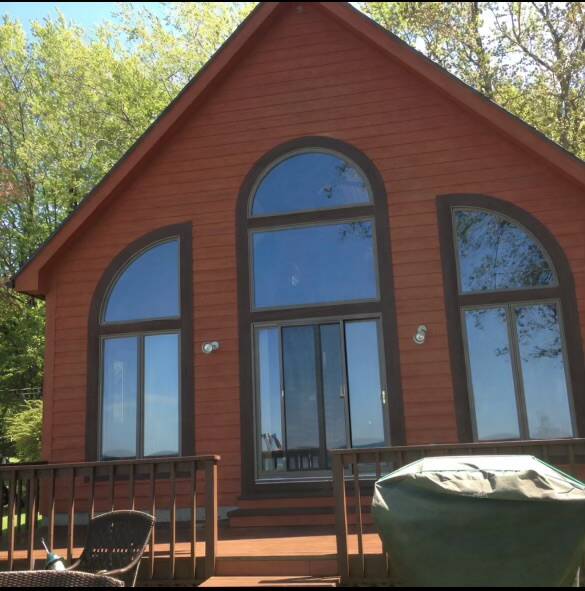
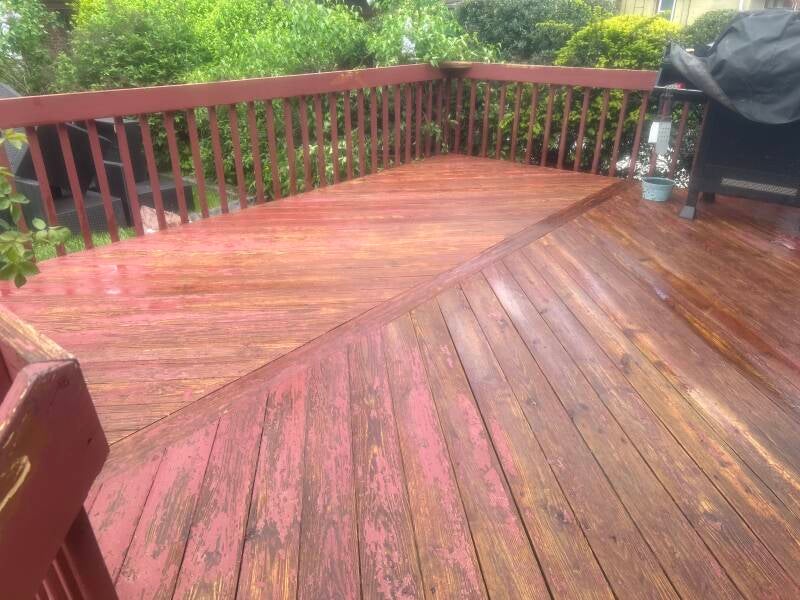
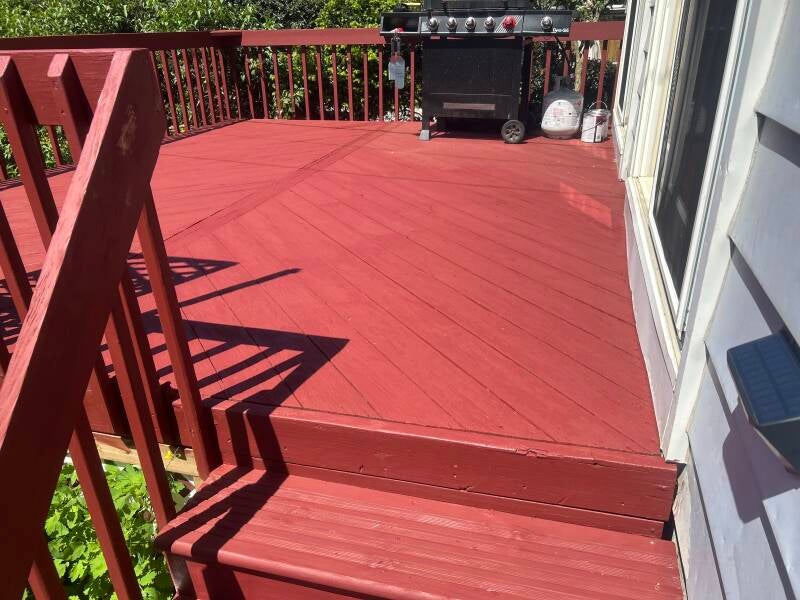
Despite the availability of numerous synthetic decking materials, many homeowners continue to favor wood decks for several compelling reasons. First and foremost, wood offers a classic aesthetic that brings natural beauty and warmth to outdoor spaces. The rich textures and colors found in different types of wood can enhance the visual appeal of any home, creating a cozy atmosphere perfect for gatherings or quiet moments. Additionally, wood is an eco-friendly option, especially when sourced from sustainable forests. Unlike some synthetic materials that can take decades to decompose, natural wood will eventually break down and return to the earth without leaving harmful residues. This makes wood not only a beautiful choice but also a responsible one for environmentally-conscious individuals. Another critical factor is the comfort that wood provides underfoot. Unlike composite materials, which can become hot in direct sunlight, wood remains cooler and more comfortable for walking barefoot. This is especially appreciated in warmer climates, where outdoor living is a regular part of daily life. Moreover, wood decks are typically easier to repair and customize. If a section of the deck becomes damaged, replacing just the affected boards can be simpler and more cost-effective than dealing with some synthetic materials. Homeowners often enjoy the flexibility of staining or painting wood, allowing for personal expression and adaptation to changing design trends. Finally, there’s a sense of tradition and craftsmanship associated with wood that appeals to many. The process of designing, constructing, and maintaining a wood deck can offer a rewarding DIY experience. Many homeowners take pride in their ability to create a beautiful, lasting outdoor space, making wood a popular choice that connects the modern homeowner with time-honored construction practices. In conclusion, people continue to prefer wood decks due to their timeless beauty, environmental benefits, comfort, ease of maintenance, and strong connection to tradition. Whether for relaxing, entertaining, or simply enjoying the outdoors, a wood deck offers a unique charm that remains hard to replicate with other materials.

Protect Your Wood Siding with Regular Maintenance

Regularly scheduled painting or staining can save your wood siding from the elements and extend its lifespan significantly. Wood siding is a popular choice for many homes due to its natural beauty and warmth, but it requires consistent care to maintain its appearance and integrity. Over time, exposure to sun, rain, and snow can lead to fading, peeling, and eventual rot if not properly protected. By committing to a routine maintenance schedule, you not only enhance the aesthetic appeal of your home but also prevent costly repairs down the line.

When it comes to maintenance, the first step is to choose the right paint or stain for your wood siding. Look for high-quality products specifically designed for exterior use, as these often contain protective agents against UV rays, mildew, and water damage. The right finish will help seal the wood, providing a barrier that helps resist moisture and prevents the wood from deteriorating.

Timing is crucial when it comes to painting or staining. Ideally, this should be done every 5 to 7 years, though this can vary based on your climate. In areas with harsh weather conditions, you may need to do it more frequently. Regularly inspect your siding for any signs of wear, such as fading colors, bubbles, or cracks. Addressing these issues early can save you time and money in the future.

Before applying paint or stain, ensure that your siding is clean and dry. This often involves washing the surface to remove dirt, mold, and debris. If you find any mold or mildew, treat those areas to prevent them from affecting your new finish. Allow your siding plenty of time to dry before you start the painting or staining process, as application on wet wood can result in poor adhesion and a shorter lifespan for your finish.

For those considering DIY methods, remember that proper technique can make a significant difference. Use a high-quality brush, roller, or sprayer to apply your chosen product evenly. Follow the manufacturer's instructions regarding the number of coats and drying times to achieve the best results.

Investing time and effort into regularly scheduled painting or staining is essential for preserving your wood siding. This maintenance practice not only protects your investment but also enhances the overall look of your home, ensuring that it remains a beautiful and welcoming space for years to come. By adopting a proactive approach to wood siding maintenance, you can enjoy peace of mind knowing your home is well-protected against the elements.

The Importance of Pressure Washing a Vinyl Sided House

Maintaining the exterior of your home is crucial for both aesthetic appeal and the longevity of its materials. One effective way to achieve this is through pressure washing, especially for vinyl siding. Over time, dirt, mold, mildew, and grime can accumulate on your vinyl surfaces, negatively affecting their appearance and potentially leading to more serious issues. Regularly pressure washing your house not only keeps it looking fresh and clean, but it also protects the integrity of your siding.

Why is Pressure Washing Important?

Pressure washing helps to remove harmful substances that can damage your vinyl siding. Mold and mildew can thrive in shaded areas and, if left untreated, they can lead to significant deterioration over time. Additionally, dirt and residue can trap moisture against the siding, which can cause issues like rot or warping. By incorporating pressure washing into your home maintenance routine, you can prevent these problems before they escalate.

How Often Should You Pressure Wash?

The frequency with which you should pressure wash your vinyl sided house can vary based on several factors, including your location, weather conditions, and the surrounding environment. On average, most experts recommend pressure washing at least once a year. However, if you live in a particularly dusty area or one with high humidity, you may need to do it more frequently—possibly every six months. Conversely, homes in less exposed areas might only require a wash every 18 to 24 months.

Signs That It's Time to Pressure Wash

In addition to following a regular maintenance schedule, pay attention to the condition of your vinyl siding. If you notice discoloration, streaks, or a noticeable buildup of dirt, it’s a clear indication that it’s time for a pressure wash. Checking your siding regularly will help you catch issues early and maintain the value of your home.

Conclusion

In summary, pressure washing your vinyl sided home is essential for keeping it looking its best and ensuring its durability. With a recommended schedule of once a year, or more frequently as needed, you can protect your investment and enhance your home’s curb appeal. Regular maintenance today leads to less trouble tomorrow, so don’t overlook the importance of a good wash!

Why Do People Choose Pavers for Sidewalks and Patios?

When it comes to enhancing outdoor spaces, pavers have become a popular choice for both sidewalks and patios. There are several reasons why homeowners and landscapers opt for this versatile material. First, durability is a key factor; pavers are designed to withstand heavy foot traffic and harsh weather conditions, making them a reliable choice for outdoor areas. Unlike concrete, pavers can flex and settle without cracking, providing a long-lasting solution for walkways and outdoor entertaining areas.

In addition to their strength, pavers offer remarkable design flexibility. Available in a myriad of shapes, sizes, and colors, pavers allow for unique patterns and styles that can complement any home’s aesthetic. This customization can enhance curb appeal and increase property value, making pavers a smart investment.

Pavers are also known for their easy maintenance. If a paver becomes stained or damaged, it can be easily replaced without the need for extensive repairs. Regular cleaning is simple, often requiring just a hose down or a mild cleaner, which means less hassle for homeowners who want to keep their patios and sidewalks looking great.

Moreover, permeability is another advantage. Many pavers are designed with drainage systems that allow rainwater to seep through and into the ground, reducing runoff and promoting healthier lawn and garden areas. This feature not only benefits the environment but also reduces the risk of flooding and erosion around your property.

Overall, the combination of durability, design options, ease of maintenance, and environmental benefits makes pavers an excellent choice for sidewalks and patios. By selecting pavers, homeowners can create beautiful, functional, and long-lasting outdoor spaces that enhance their lifestyle and outdoor experience.

Why Do People Prefer Concrete Walks and Patios?

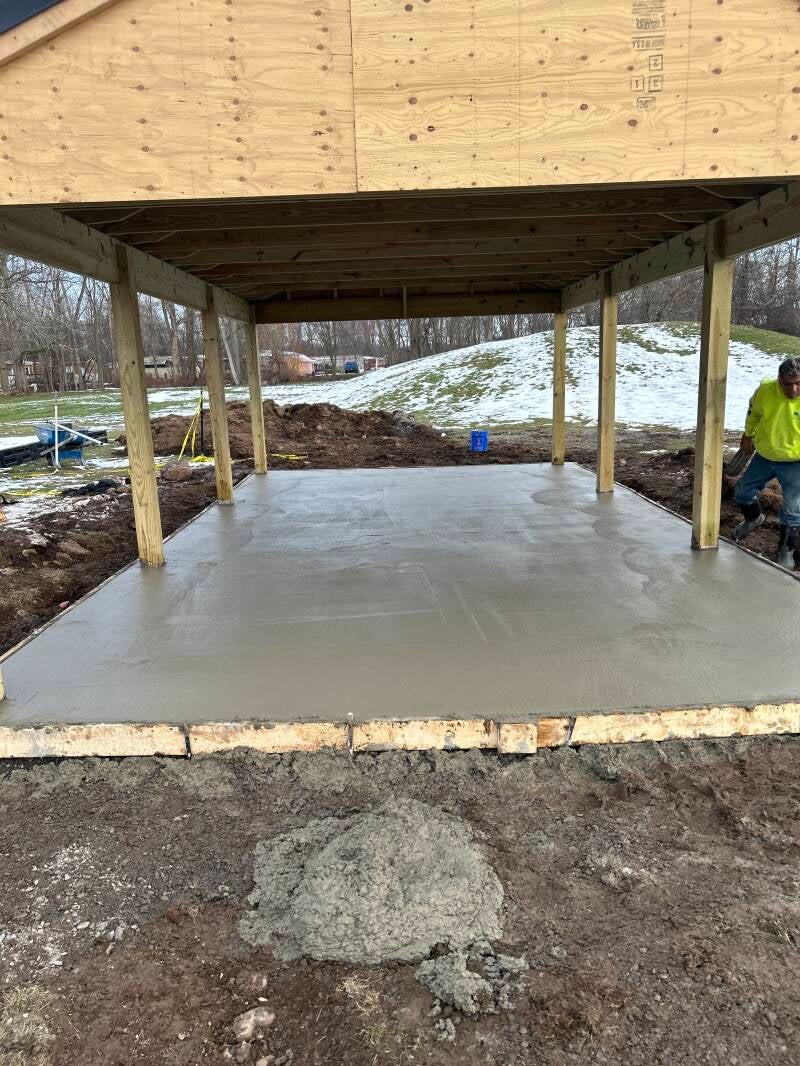
Concrete walks and patios have become increasingly popular choices for homeowners seeking durable, low-maintenance outdoor living spaces. One primary reason for this preference is the incredible durability of concrete. Unlike materials such as wood or pavers, concrete withstands the test of time, resisting cracking and warping due to weather conditions.

Another appealing factor is the low maintenance required for concrete surfaces. Homeowners appreciate that concrete does not require sealing like wood does or the frequent replacement of individual stones in paver patios. A simple wash with soap and water is often sufficient to keep it looking fresh and clean.

Moreover, design versatility plays a significant role in its popularity. Concrete can be stamped, stained, or colored to mimic the appearance of more expensive materials such as stone or brick, allowing homeowners to achieve their desired aesthetic without breaking the bank.

Additionally, concrete is an excellent option for energy efficiency. It remains cool in warmer months, making outdoor spaces more comfortable, while also absorbing heat in cooler months, providing natural warmth. This thermal mass can help regulate temperatures, enhancing outdoor enjoyment throughout the year.

Lastly, concrete can contribute to improved home value. A well-designed concrete patio or walk can enhance curb appeal and create a more functional outdoor space for entertaining. This investment can pay off when it comes time to sell, as potential buyers often view outdoor living areas as an attractive feature.

In conclusion, the combination of durability, low maintenance, design versatility, energy efficiency, and enhanced property value explains why people increasingly choose concrete walks and patios for their outdoor spaces.

Add comment

Comments

Sarah Kelley
3 hours ago

Highly recommend Jason! He did an incredible job on our deck. He has excellent communication and work ethic. He showed up bright and every day, worked super hard making sure the deck was done perfectly! We will absolutely used him for future projects!

Jason Morrow
3 hours ago

Please contact 585-365-3777 to schedule your estimate today